

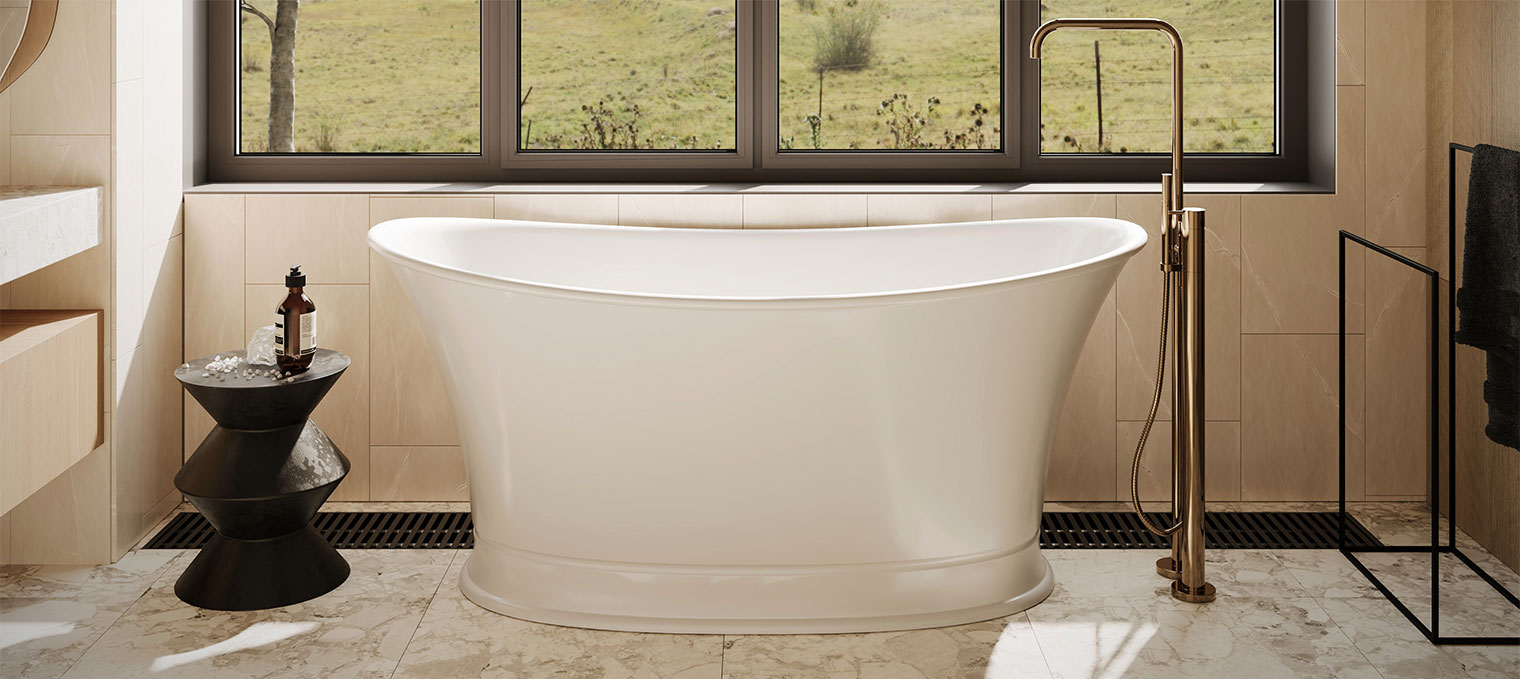
Types of Bathtubs: A Practical Guide to Choosing the Right Tub Style
When people search "types of bathtubs," they usually want one thing: clarity. Not a long list of jargon, and not a lecture on trends, but a simple way to understand what each tub style is and why someone would choose it.
At MTI Baths, we also know there's a second layer to the decision. Many bathrooms can support more than one tub style, and many tubs can be configured with different options depending on the space, the layout, and the experience you want. That's why the most useful way to choose a tub isn't just by appearance or by one single feature. It's by how the tub will live in the room: where it sits, how it's accessed, what surrounds it, and what kind of bathing experience the homeowner wants day-to-day.
Below is an overview of the most common bathtub types, along with practical "when this tends to be the right fit" guidance. If you're exploring tub categories in more detail, you can also browse MTI Baths' soaking tubs collection here:
https://mtibaths.com/products/tubs/mti
1) Soaking Tubs
A soaking tub is defined by its purpose: comfortable bathing depth, a relaxing shape, and a clean, uncomplicated experience. In most projects, "soaking tub" becomes shorthand for a tub that prioritizes immersion and comfort.
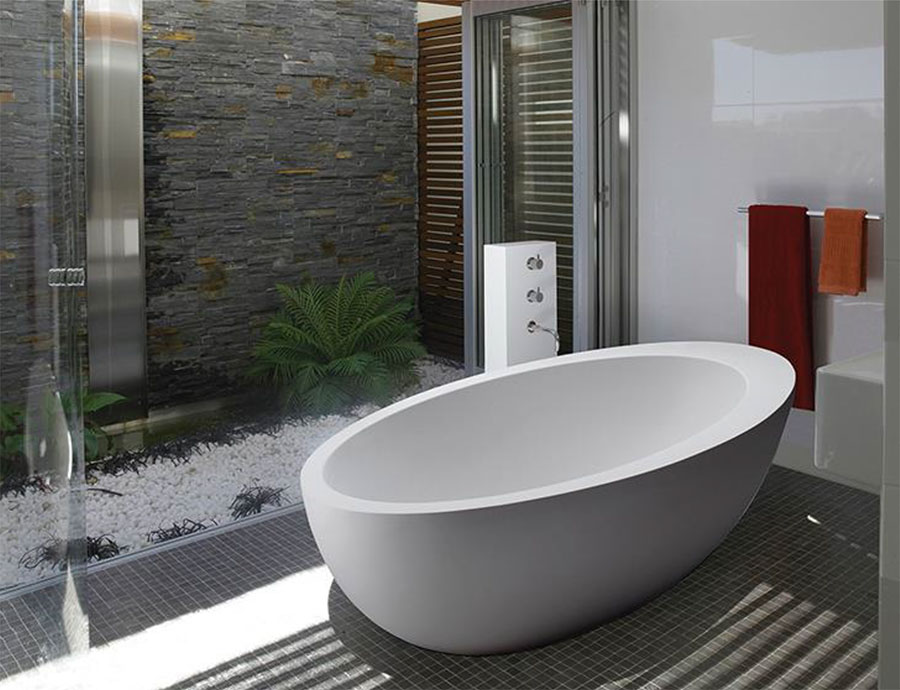
Soaking tubs are often a good fit when:
- The homeowner wants a simple, classic bathing experience with or without adding therapy features.
- The bathroom design benefits from a clean, uncluttered tub profile.
- The goal is a tub that works well across a wide range of bathroom styles, from traditional to contemporary.
What people usually compare in this category:
- Size and bathing well proportions (what fits the room vs. what feels comfortable)
- The look of the rim and deck area (important when the tub is more visible)
- Material and finish options, if applicable
- Whether the tub will be placed as a freestanding unit or integrated into a built-in surround
If you want to see how different profiles and sizes show up across one category, MTI Baths' soaking tub collection is a helpful starting point:
https://mtibaths.com/products/tubs/mti
2) Freestanding Tubs
Freestanding tubs are defined by placement: the tub is finished on all sides and designed to stand independently rather than being built into a surrounding deck or alcove.
Freestanding tubs are often chosen when:
- The tub will be visible from multiple angles (the "finished all around" look matters)
- The layout supports a more open placement approach
- The homeowner wants flexibility in how the tub is positioned in the room
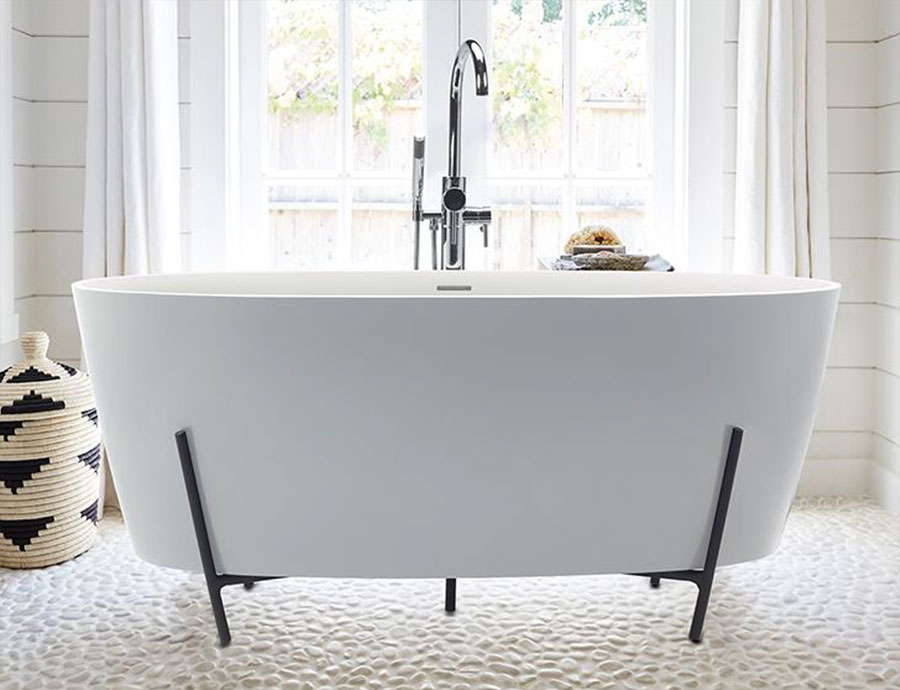
One key point that's easy to miss: "freestanding" is a placement style, not a separate tub purpose. In other words, many freestanding tubs are also soaking tubs. The difference is not "freestanding vs soaking," but "freestanding placement vs built-in placement."
What people usually compare in this category:
- Overall footprint and clearance needs in the room (you want enough space for the tub to feel intentional and usable)
- Tub silhouette (more linear vs more curved profiles)
- Faucet placement requirements (for example, floor-mounted vs wall-mounted vs deck-mounted options depend on the overall bath plan)
To compare MTI Baths' freestanding silhouettes and sizes in one place:
https://mtibaths.com/products/tubs/mti
3) Alcove Tubs
An alcove tub is designed to fit into a three-wall enclosure, typically with a finished front apron. This style is common in bathrooms where the tub shares space with a shower zone or where the tub needs to be framed into a tighter footprint.
Alcove tubs are often the right choice when:
- The bathroom layout is built around a recessed tub area
- The project needs a built-in look that's efficient with space
- The tub zone is integrated into a larger wall composition (tile, surround, niches, shelving)
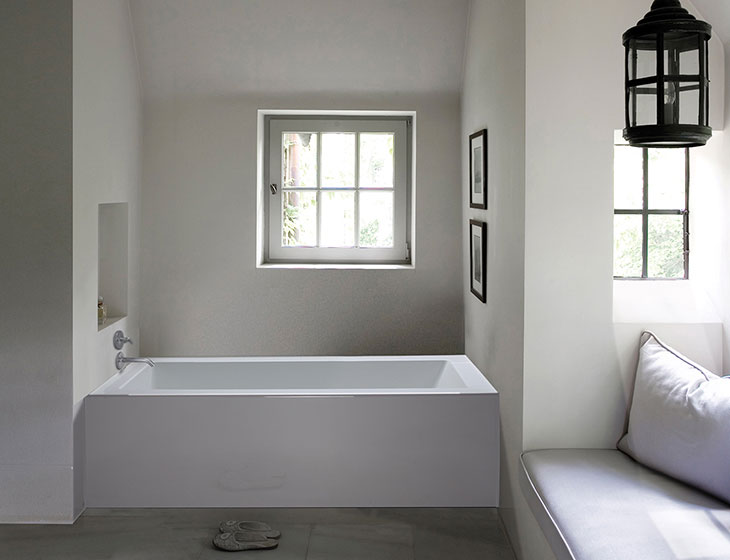
What people usually compare in this category:
- Overall dimensions relative to the alcove opening
- Front apron design and the finished look from the primary view
- How the tub integrates visually with surrounding wall finishes
If you're exploring alcove options under MTI Solutions Collection:
https://mtibaths.com/products/tubs/mti-solutions?drop_free_id=dropin
4) Drop-In Tubs
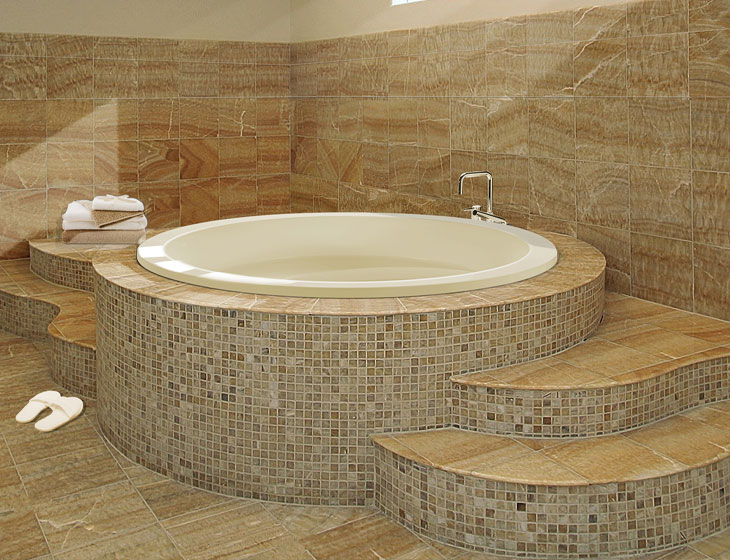
A drop-in tub is installed into a surrounding deck (often tiled or finished to match the bathroom), with the tub rim sitting on top of the deck cutout. People often choose drop-in when they want the tub area to feel integrated and tailored to the room.
Drop-in tubs are often a good fit when:
- The design calls for a deck surface around the tub (for styling, ledge space, or built-in framing)
- The tub is part of a larger planned bath "zone" rather than a standalone object
- The room layout supports a more structured installation approach
What people usually compare in this category:
- Deck space needs and how much surrounding surface is desired
- The rim profile and how cleanly it meets the deck finish
- How the tub area will be finished and maintained visually over time
Drop-in tubs under MTI Solutions Collection:
https://mtibaths.com/products/tubs/mti-solutions?drop_free_id=dropin
5) Undermount Tubs
An undermount tub is installed from below a deck surface so the deck material visually carries over the edge, creating a clean transition line. It's a style often used when the surrounding material is intended to be the dominant surface (stone, solid surface, or other premium deck finishes).
Undermount tubs are often chosen when:
- The homeowner wants the surrounding deck material to look continuous and refined
- The bath design emphasizes clean transitions and minimal edge breaks
- The tub zone is being designed with a strong focus on surface finishes
What people usually compare in this category:
- The deck material and how it will meet the tub opening
- The edge line detail (how "flush" and consistent it appears)
- Overall layout and how the tub zone is framed in the room
Undermount tubs under MTI Solutions Collection:
https://mtibaths.com/products/tubs/mti-solutions?drop_free_id=dropin
6) Walk-In Tubs
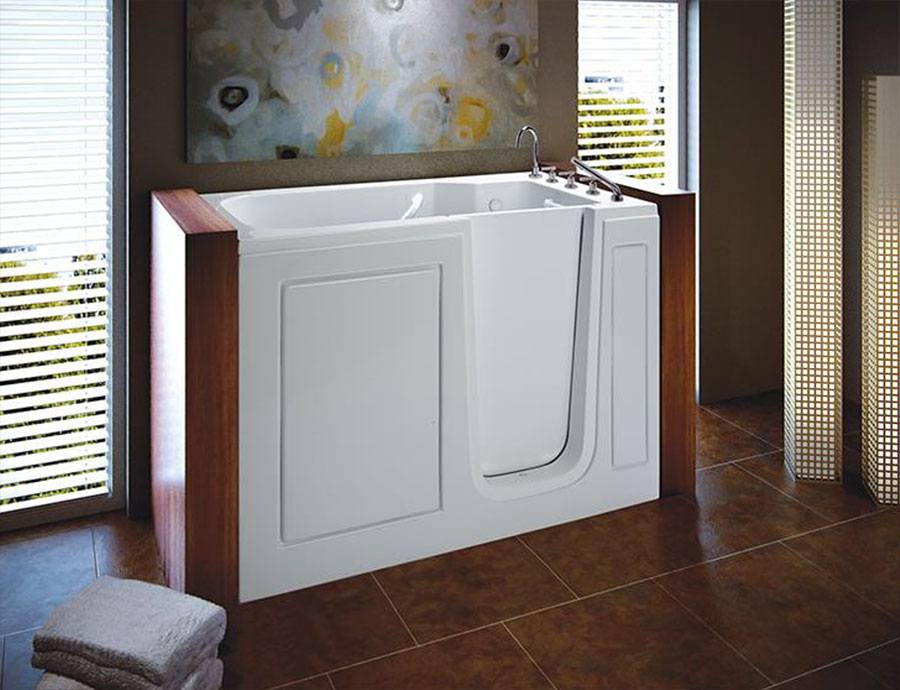
Walk-in tubs are defined by access: they're designed for step-in entry, often with features that support comfort and ease of use. While most people first think of functionality here, there's still meaningful variation across models and configurations.
Walk-in tubs are often the right choice when:
- Access and comfort are the primary needs driving the purchase
- The household wants a bath option that supports longer-term usability
- The bathroom plan needs a tub that fits the space while prioritizing entry comfort
What people usually compare in this category:
- Size and layout fit (walk-in models come in different configurations)
- Seating and bathing well comfort
- Optional features that can be added depending on the desired bathing experience
Walk-in tubs under MTI Solutions Collection:
https://mtibaths.com/products/tubs/specialty/style/walk-in?view=view-detail
How to Choose Between Bathtub Types Without Overcomplicating It
Most homeowners don't need a dozen decision steps. They need the few factors that actually determine what will work.
Here's a straightforward way to narrow it down:
Start with the room's layout and the tub's intended placement.
If the tub needs to sit inside a three-wall recess, you're likely in alcove territory. If the tub will be surrounded by a deck surface, you're likely considering drop-in or undermount. If the tub is meant to stand independently and be finished on all sides, you're likely considering freestanding.
Confirm the footprint you can realistically support.
This includes not only the tub dimensions, but also how the tub zone fits with pathways, door swings, vanity clearances, and the overall flow of the room. Many projects have more than one possible tub style, but only one that fits cleanly without forcing compromises elsewhere.
Decide what "experience" matters most.
Some homeowners want a simple soak. Others want a more enhanced bathing experience through optional solutions. This is where the showroom conversation becomes important, because the same general tub category can be offered with different options depending on the model and configuration.
Then compare within one category (not across every category at once).
Once you know you're choosing a freestanding tub (for example), the decision becomes much simpler: compare silhouettes, sizes, and the configuration that best matches the room plan.
A Note on Options and Solutions
One reason tub selection can feel confusing is that people mix up "tub type" with "tub options." A freestanding tub is a type (placement style). A soaking tub is a type (bathing purpose). Many models can overlap in how people casually describe them.
The most productive approach is:
- Choose the tub type that fits the layout (freestanding vs built-in styles like alcove/drop-in/undermount), then
- Choose the model and configuration that matches the homeowner's comfort preferences and option needs.
If you're early in exploration and want to see how MTI Baths organizes core tub categories, these are the two most direct collection pages to compare side-by-side:
- Soaking tubs: https://mtibaths.com/products/tubs/mti
- Freestanding tubs: https://mtibaths.com/products/tubs/mti
Final Takeaway
The "best" bathtub type is the one that fits the space cleanly, supports the layout, and matches how the homeowner actually wants to use the tub. Start with placement (freestanding vs built-in styles), confirm the footprint, then select the model and configuration that meets comfort and option preferences.