

Bathtub Placement and Bathroom Layout Basics: A Practical Overview
Bathtub placement is one of the main factors that shapes how a bathroom feels and how the bathing area is used day to day. This article focuses on placement and layout basics—what "placement" means in practical terms, and the common ways tubs are positioned in real bathrooms. If you want the broader overview of tub categories first, see our guide to types of bathtubs.
What "Bathtub Placement" Means in a Bathroom
Bathtub placement describes where the tub sits in the room and how the bathing area relates to the surrounding surfaces and usable space. Most bathrooms fall into a few familiar layout patterns, and placement is often tied to how the bathing zone is "defined" within those patterns.
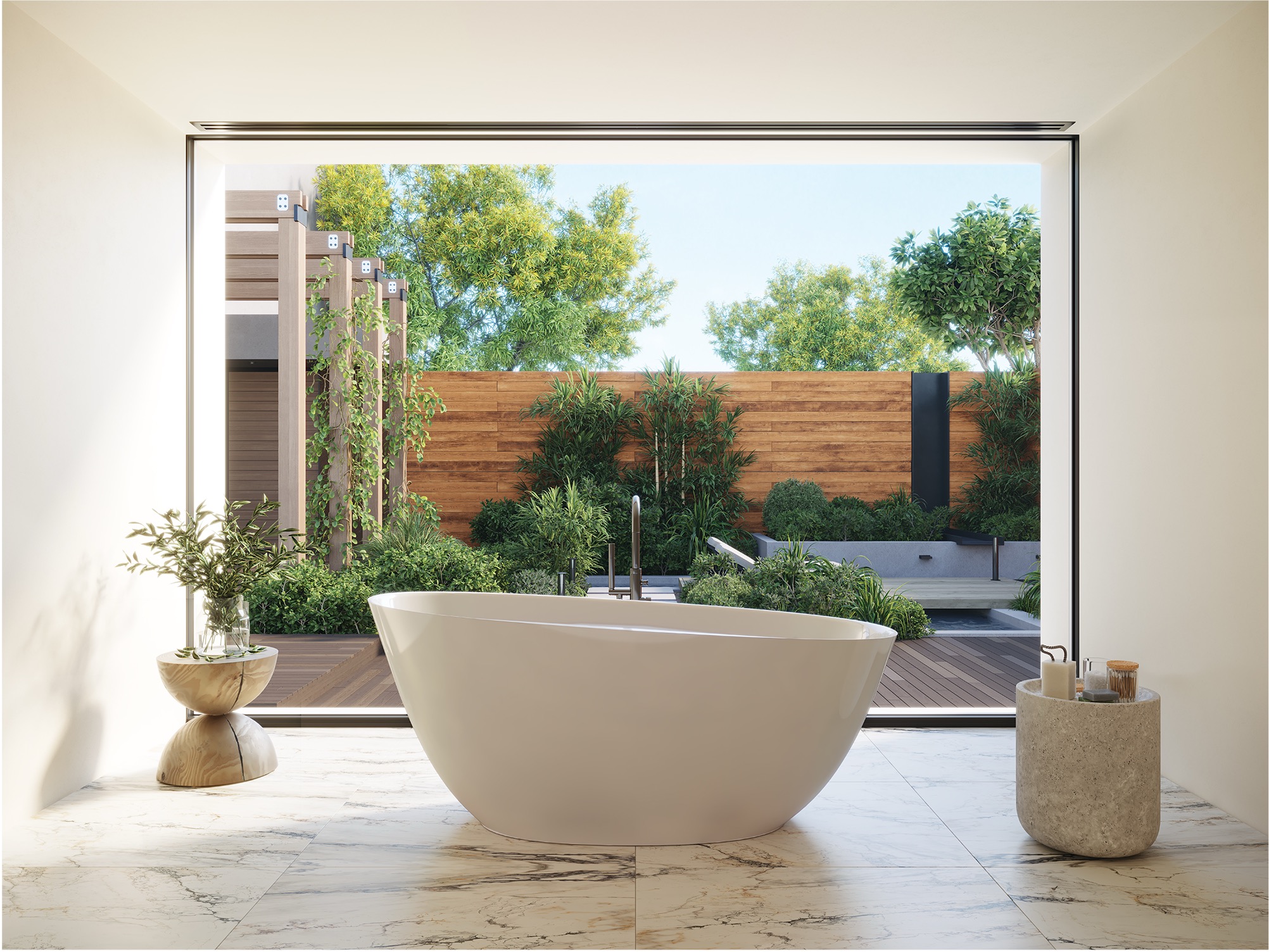
Placement and usable space
Bathrooms are used in motion—entering the room, moving between fixtures, and using the bathing area comfortably. Placement influences whether the tub area feels like a clearly defined zone or a tight corner of the room.
Placement and surrounding surfaces
Some tubs are planned with surrounding surfaces as part of the overall setup (walls and/or a deck surface). Others sit with more open space around them. Both approaches are common and tend to shape how the bathing area reads within the room.
Visibility and privacy considerations
In many homes, placement decisions are influenced by sightlines into the bathroom and the desired level of privacy around the bathing zone. This varies by floor plan, but it's a common reason tubs are positioned where they are.
Common Bathtub Placement Approaches
These are common placement approaches that show up across many bathroom layouts. The goal here is to explain what each approach typically means in a room—not to prescribe a "right" answer.
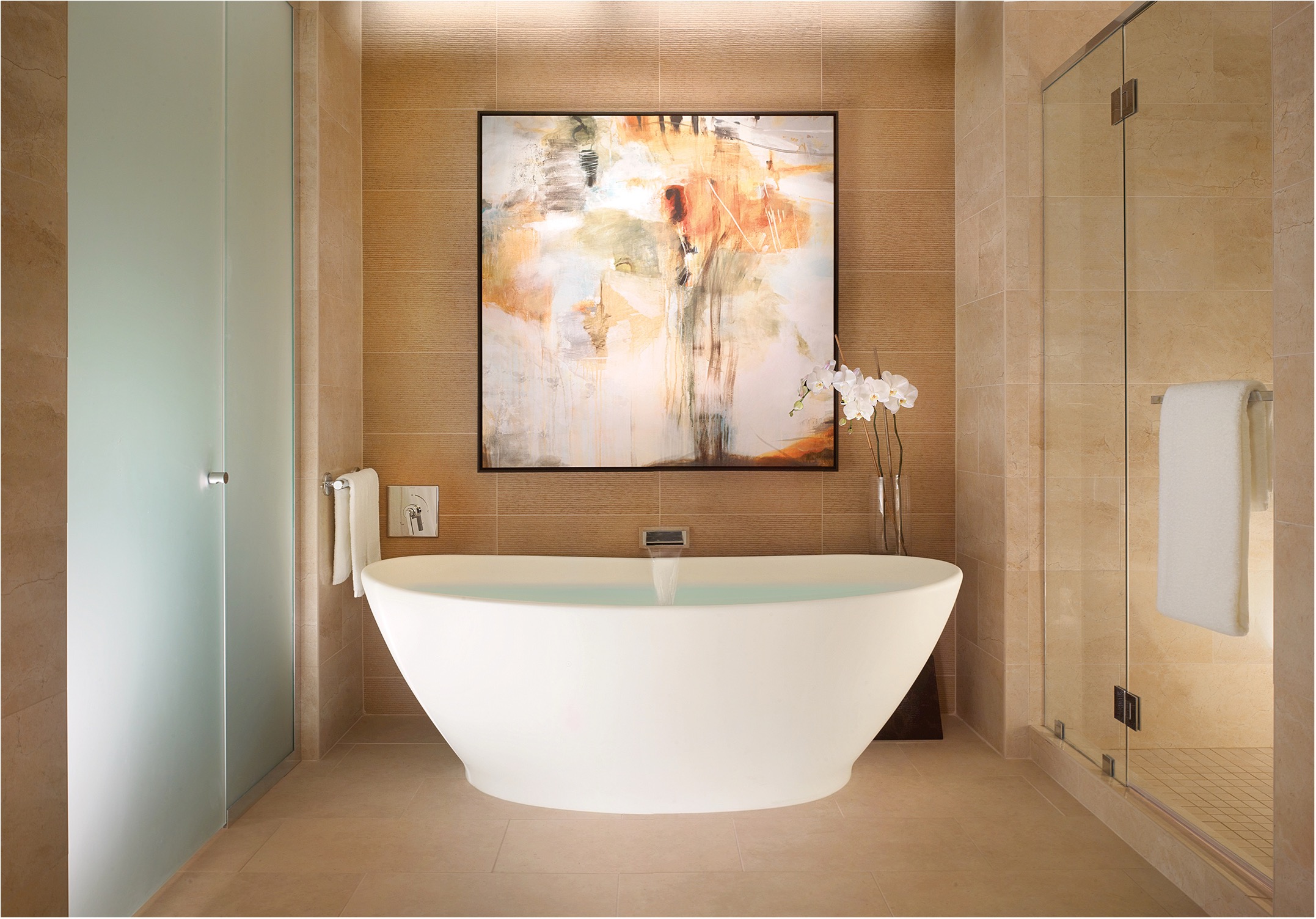
Along a primary wall
A tub placed along a primary wall is one of the most common layout approaches. It often creates a straightforward bathing zone that feels easy to understand in the room. In many floor plans, this approach also supports a clean division between the bathing area and the rest of the bathroom.
Alcove-style placement (a defined bathing bay)
In alcove-style placement, the tub sits within a more defined "bay" in the room. This approach is commonly used when the layout calls for a contained bathing zone that reads as a dedicated area within the bathroom plan.
More open placement (space around the tub)
Some bathrooms position the tub with more open space around it. This tends to appear in layouts where the tub is part of a broader bathing zone rather than a recessed bay. In these bathrooms, the bathing area may feel more "in the room" rather than set behind surrounding surfaces.
Near a window or exterior wall
In some floor plans, the tub is placed near a window or exterior wall. In those scenarios, privacy and surrounding surface context often become part of how the bathing zone is planned and experienced. Exact placement depends on the specific room layout.
How Tub Configurations Commonly Relate to Placement
One reason bathtub placement can feel confusing is that "tub type" and "tub placement" are different ideas. A tub can be chosen for a certain bathing experience, and then configured in a way that fits the room. The notes below describe how configurations are commonly discussed in the context of placement.
Freestanding placement (open-sided presence)
"Freestanding" most often describes how the tub sits in the space—finished on all sides with a more open presence in the room. In many layouts, freestanding placement is chosen because the tub reads as a distinct element within the bathroom rather than being framed by surrounding surfaces.
Built-in placement (surrounding surfaces define the zone)
Built-in configurations commonly appear when the bathing area is planned with surrounding surfaces—such as walls and/or a deck surface. In these bathrooms, the tub is visually integrated into the room's surfaces and the bathing zone is often defined by the surround rather than by open space around the tub.
Walk-in placement (accessibility-driven context)
Walk-in tubs are typically discussed in the context of accessibility priorities. In many homes, placement decisions here focus on keeping the bathing zone practical within the room's overall layout.
Optional Features and the Bathing Experience
Placement describes where the tub sits in the room, but the bathing experience depends on the model and options selected. The key takeaway is that placement and experience work together: the room plan shapes which configurations feel natural, and the tub model shapes how bathing feels in use.
Explore MTI Baths Tubs by Collection
If you're browsing to see what's available across configurations and styles, these pages are useful starting points:
- bathtubs (browse all tub categories and collections)
- MTI Collection tubs
- Acquabella tubs
Final Takeaway
Bathtub placement is about how the bathing area fits into the bathroom's layout—how the tub relates to usable space and surrounding surfaces, and how the bathing zone is defined within the room. Once the placement approach is clear, it becomes easier to review tub configurations and models that align with the layout and the bathing experience you want.